From Scattered to Focused: How Five Grassroots Leaders Found Their Organizations' True Calling
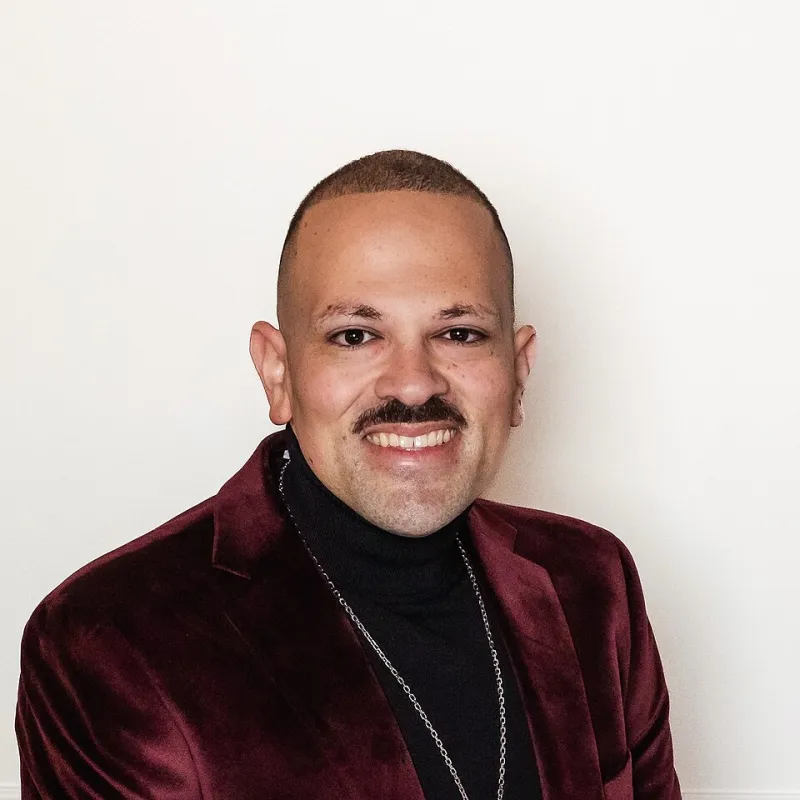
Photo: Omarkurdi20, CC0, via Wikimedia Commons
There's a moment a lot of nonprofit leaders recognize, even if they're reluctant to admit it out loud. It's the moment you're sitting in a board meeting, someone asks "what exactly do we do?" — and the room goes quiet for just a beat too long.
Mission drift. It happens gradually, almost invisibly. A grant opportunity here, a community request there, a well-meaning volunteer who wants to add a new program. Before long, an organization that started out feeding families on Tuesday nights is also running a tutoring program, hosting a mental health hotline, and somehow managing a community garden. None of those things are bad. But when everything feels urgent, nothing gets the attention it deserves.
In 2024, a growing number of grassroots organizations across America are doing something brave: stopping to ask themselves what they're actually for. We caught up with five leaders who've been through that uncomfortable process — and come out clearer, stronger, and more connected to the people they serve.
"We Were Saying Yes to Everything — and Helping Nobody Deeply"
Margarette Osei runs a small nonprofit in Columbus, Ohio that originally launched to support immigrant women transitioning into the workforce. Over five years, it quietly expanded to offer general job placement, after-school programming, and even a food pantry pop-up. Funding came in for all of it. So they kept going.
"We had good intentions," she says. "But our staff was exhausted, our outcomes were scattered, and honestly? The women we originally set out to serve weren't getting the specialized support they actually needed."
Osei's turning point came when a program evaluation consultant — brought in by a local community foundation — showed her data she hadn't wanted to see. Completion rates for their workforce training were below 40%. Compare that to a similar, laser-focused program in Cleveland running at nearly 80%.
The fix wasn't comfortable. They wound down two programs, had hard conversations with volunteers, and returned one grant. But within 18 months, their core program had a waitlist. "Clarity," Osei says, "turned out to be the most generous thing we could offer."
The "Yes Test" and Other Tools for Getting Honest
Not every pivot looks the same, but the leaders we spoke with shared some common approaches for figuring out where to draw the line.
David Ruiz, who leads a neighborhood advocacy group in San Antonio, swears by what he calls the "Yes Test." Before taking on any new initiative, his board asks three questions: Does this directly serve our stated population? Do we have the capacity to do it well? And if we do this, what do we not do? "If you can't answer all three clearly, the answer is no," he says. "At least for now."
In Portland, Oregon, Tamara Wells spent the better part of 2023 facilitating what she describes as a "mission excavation" for her environmental justice org. That meant going back to founding documents, interviewing original community partners, and hosting a series of listening sessions with residents in the neighborhoods they serve. "We thought we knew our mission," she admits. "Turns out, we'd drifted about three miles from it."
The process wasn't just internal. Wells made a point of bringing in voices from outside the organization — people who had no stake in protecting the status quo. "An outside perspective is uncomfortable. That's exactly why it works."
When Funders Are Part of the Problem
Here's a tension that doesn't get talked about enough in the nonprofit world: sometimes the pressure to drift comes from the very people writing the checks.
Jerome Batts, who directs a youth development nonprofit in Memphis, knows this all too well. "A major donor wanted us to add a STEM component. We're a mentorship organization. STEM is great — it's just not what we do." Batts pushed back. The donor eventually walked. "It hurt financially. But we didn't lose our soul."
Batts now builds what he calls "mission language" into every funder conversation from the start. He's explicit about what the organization does and — critically — what it doesn't do. "Funders actually respect that more than you'd think. It signals that you know who you are."
This is a point echoed by nonprofit strategy consultant Priya Nandakumar, who works with organizations across the Midwest. "The most fundable nonprofits right now aren't the ones doing the most things. They're the ones who can tell a crisp story about specific impact. Clarity is a competitive advantage."
Reconnecting With the Community You Serve
For Keisha Monroe in Atlanta, the path back to clarity ran directly through the community itself. Her organization — originally a mutual aid network that formed during the pandemic — had grown into a loose collection of services with no clear owner.
"We were reactive for so long that we forgot to ask people what they actually needed us to be," she says.
Monroe organized a series of neighborhood conversations — not town halls, which she says often attract the same voices, but smaller, informal gatherings hosted in barbershops, churches, and community centers. What came back surprised her. Residents didn't want more programs. They wanted consistency. They wanted to know who to call and trust that someone would pick up.
"That feedback completely reshaped us," Monroe says. "We cut four programs and invested in making two of them excellent. People noticed."
A Practical Roadmap for Organizations Feeling Lost
If any of this sounds familiar, here's a distilled takeaway from the leaders we spoke with:
Start with your founding story. Pull out those original documents. Who did you say you were going to serve? Why did this organization need to exist? The answers often reveal how far you've wandered.
Talk to the people you serve — not just your board. Internal clarity is important, but community feedback is the real compass. Host informal conversations. Ask hard questions. Listen more than you talk.
Name what you're not going to do. This is harder than it sounds. But an explicit list of out-of-scope activities protects your team and sends a clear signal to partners and funders.
Give yourself permission to say no to money. Not every grant is a gift. If a funding opportunity would pull you off course, the cost may be higher than the check.
Revisit your mission statement every year. Not to rewrite it — but to ask honestly: are we still living this? Are the words still true?
Finding your organization's true north isn't a one-time event. It's an ongoing practice. But the leaders we spoke with all agree on one thing: the discomfort of getting clear is nothing compared to the slow drift of losing yourself entirely.
At Community Compass, we believe every organization deserves to know what it stands for — and that communities are stronger when the groups serving them do, too. If your organization is navigating a moment of uncertainty, you're not alone. And that moment might just be the most important one you'll face.