Paper, Pins, and People: The Surprising Staying Power of Analog Community Spaces
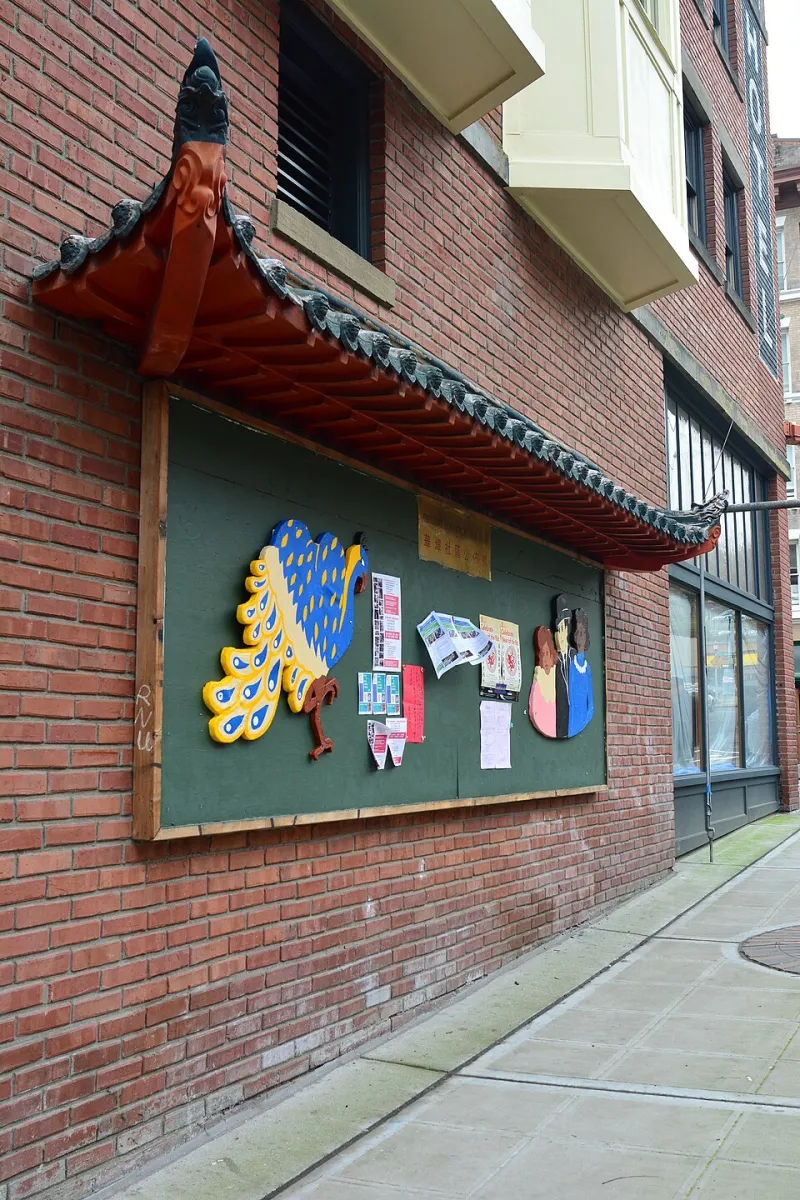
Photo: Joe Mabel, CC BY-SA 4.0, via Wikimedia Commons
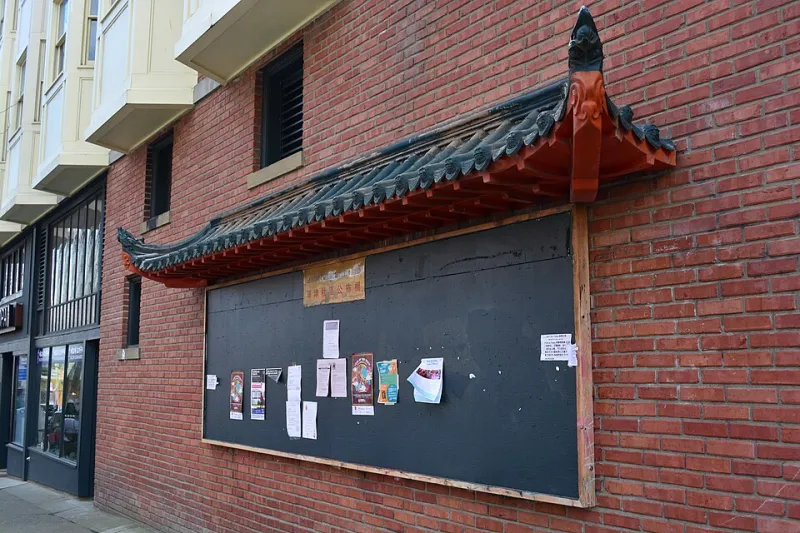
There's a bulletin board outside the main office of a coin laundry in Decatur, Georgia that has been, by the owner's rough estimate, continuously covered in flyers since 1987. Rent-a-room notices. Missing cat posters. Church fish fries. A handwritten index card advertising piano lessons for $15 an hour. Walk past it on a Tuesday afternoon and you'll see at least three people actually reading it — not scrolling past it, not swiping left, not ignoring a push notification. Actually reading it.
In an era when community organizations are told they need a TikTok strategy and a Mailchimp list to survive, that corkboard keeps quietly doing its job. And it turns out, so do thousands like it across the country.
The People Algorithms Leave Behind
Here's something that rarely makes it into conversations about digital outreach: a significant chunk of the American population is functionally invisible to the platforms most organizers rely on. According to Pew Research, roughly 15% of U.S. adults don't use the internet at all. That number climbs steeply among adults over 65, low-income households, and residents of rural areas where broadband access is still a genuine luxury rather than a given.
Algorithms don't just fail these communities by accident. They're built to optimize engagement among users who are already online, already clicking, already part of the data ecosystem. People who aren't in that system don't get a consolation prize — they simply don't get reached.
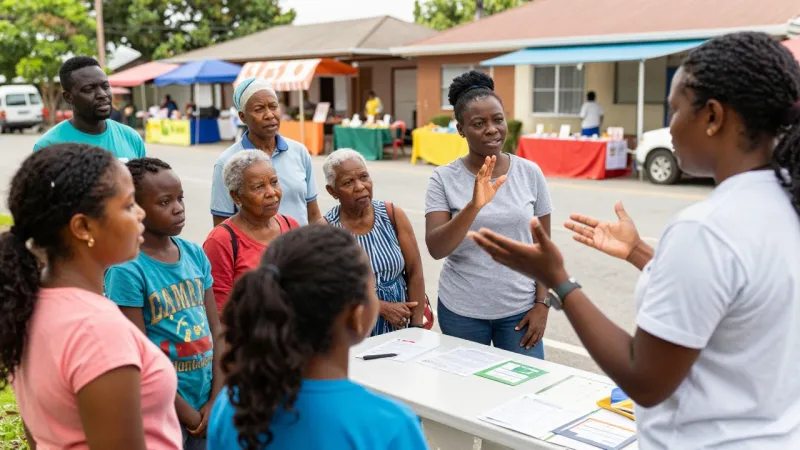
Maria Delgado has been organizing tenant advocacy efforts in a mid-sized Texas city for almost a decade. She started, like most organizers in the 2010s, with a heavy emphasis on social media. "I had a Facebook page, I had a Twitter, I was posting constantly," she says. "And I kept wondering why the people I was actually trying to help weren't showing up."
The answer came from an unlikely source: an elderly neighbor who told her she'd learned about a nearby community meeting not from any app, but from a flyer stapled to a telephone pole. "That woman showed up and brought four of her friends," Maria says. "None of them had smartphones. None of them were on Facebook. But they were exactly the people who needed to be in that room."
She hasn't abandoned digital outreach — but she's never stopped printing flyers since.
Small Towns, Big Reach
In rural communities, the calculus looks even different. Take the weekly print newsletter that's been circulating in a small town in central Vermont for going on thirty years. It started as a single photocopied sheet covering school board meetings and road closures. Today it runs to six pages and lands in mailboxes, diners, the post office, and the local hardware store every Thursday.
The woman who edits it, a retired schoolteacher named Dottie, is matter-of-fact about its purpose. "People here don't want to join a Facebook group to find out if the selectboard is raising taxes," she says. "They want to read it over coffee. That's just how it works."
Subscription is technically free, though she accepts donations. She estimates around 60% of the town's households receive it in some form. No algorithm has ever achieved that kind of local saturation — and no algorithm ever will, because the town simply isn't a market worth targeting.
That invisibility to the attention economy is, paradoxically, part of what makes these spaces work. A community bulletin board or a neighborhood newsletter isn't competing for attention the way a social media post is. It exists in physical space, in a place people already are, and it doesn't disappear after 48 hours because engagement metrics dropped.
The Organizer's Secret Weapon
Ask veteran community organizers what tool they keep coming back to and you'll hear some version of the same answer: whatever meets people where they already are. Sometimes that's Instagram. Often, it's something far more low-tech.
Jermaine Cooper runs a community resource hub in a mid-sized Midwestern city, connecting residents with services ranging from food assistance to legal aid referrals. He's experimented with nearly every digital platform available. His most effective outreach tool right now? A monthly one-page print insert that gets folded into grocery bags at three local corner stores.
"Those stores are in neighborhoods where people don't have a lot of trust for outside organizations coming in with a slick website," he explains. "But they trust the store. They've been shopping there for years. When something comes out of that bag, they read it."
The insert costs him about $40 a month to print. It consistently generates more phone calls to his resource line than any digital campaign he's run.
Not Nostalgia — Strategy
It would be easy to frame all of this as a sentimental attachment to the past, a resistance to change dressed up in community-minded language. That misses the point entirely.
The organizers and community builders who are doubling down on analog channels aren't doing it because they're technophobic or behind the times. They're doing it because they've watched digital-first strategies consistently fail to reach the most vulnerable people in their communities — and they've been paying attention to what actually works instead.
Physical bulletin boards, local newsletters, and print flyers don't replace digital outreach. They reach the people digital outreach can't. For any organization genuinely committed to serving its whole community rather than just the portion that happens to have a smartphone and a reliable Wi-Fi connection, that distinction matters enormously.
There's a certain irony in the fact that the most cutting-edge community organizing strategy might involve a trip to the copy shop and a staple gun. But community work has never really been about being cutting-edge. It's been about showing up — in whatever form that takes — where the people are.
Sometimes that's in a Facebook group. Sometimes it's on a corkboard outside a laundromat that's been there since 1987.
Both of those things can be true at the same time.