The Same Twelve Faces: What One Town Learned When It Finally Fixed Its Meeting Problem
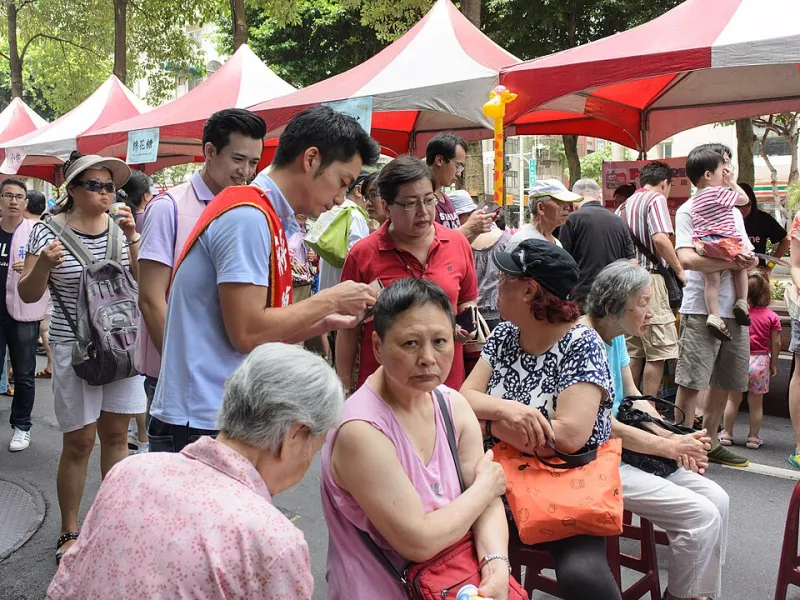
Photo: Hkcoit, CC BY-SA 4.0, via Wikimedia Commons
Ask anyone involved in local organizations and they'll describe the same phenomenon: the meeting where the same dozen faces show up, month after month, making decisions that affect thousands.
It's tempting to read that as apathy. People just don't care anymore, the thinking goes. But spend time actually talking to the neighbors who don't attend, and a different picture emerges — one that says less about indifference and more about design.
The Excuses That Aren't Really Excuses
The stated reasons for skipping community meetings sound flimsy until you hear them stacked together.
Meetings start at 6:30 PM — right when parents are navigating dinner, homework, and bedtime. There's no childcare, so bringing kids means wrangling toddlers in the back of a library conference room. Shift workers can't make a 6:30 start no matter how much they care. And for many, the meeting itself feels like it wasn't built for them: jargon-heavy, run by people who've held their roles for a decade, with an unspoken etiquette newcomers can't decode.
None of these are character flaws. They're barriers. And barriers, unlike apathy, can be removed.
The Experiment
That's the bet a mid-sized town made when its largest civic association faced a familiar crisis: aging leadership, dwindling attendance, and a growing sense that the organization represented a sliver of the community rather than the whole.
They changed three things.
First, they moved the meetings. Instead of a fixed weeknight slot, they rotated between a Saturday morning session and an early evening one, alternating monthly. Suddenly, shift workers and 9-to-5 parents each had a version they could attend.
Second, they fed people. A modest budget for pizza and childcare — staffed by paid teenagers from the local high school — turned the meeting from an obligation into something closer to a neighborhood dinner. Parents could actually listen. Kids got pizza and a gym.
Third, they shortened the agenda and opened it up. Fifteen minutes of business, then open floor. No more two-hour marathons dominated by procedural readings.
The Results
Attendance roughly doubled within three months. More telling was who showed up: renters, young families, newer immigrants — people who had lived in the community for years but had never once been in the room.
The conversations changed, too. Priorities shifted. Issues that the old guard had never flagged — late-night bus cuts, playground maintenance in the less affluent end of town, language access at the health clinic — moved up the agenda. Not because the original twelve were bad people, but because no one had been in the room to raise them.
Who Community Spaces Were Built For
The uncomfortable lesson here isn't about this one town. It's about the architecture of participation everywhere.
Most community institutions were designed — implicitly, unintentionally — for people with flexible schedules, stable childcare, and the social confidence to walk into a room of strangers. That describes a narrower slice of any community than we like to admit.
When those same institutions then claim to speak for "the neighborhood," the empty chairs aren't just a logistics problem. They're a representation problem. Decisions get made, priorities get set, and resources get steered — all filtered through whoever could attend.
The Takeaway for Every Town
The fixes that worked weren't expensive or complicated. Food. Childcare. Flexible timing. Shorter meetings. A genuine welcome for whoever walks in.
What they required was admitting something hard: that low turnout wasn't the community's failure. It was the meeting's.
Every town has its reliable twelve, and they deserve real gratitude — nothing runs without them. But a community of thousands deserves better than governance by whoever's free on Tuesday nights. The empty chairs aren't vacant because nobody cares. They're vacant because nobody was invited properly.
Fix that, and watch the room fill up.