After the Listening Tour: How to Gather Community Input Without Ghosting People

Photo: Josh Harder, Public domain, via Wikimedia Commons
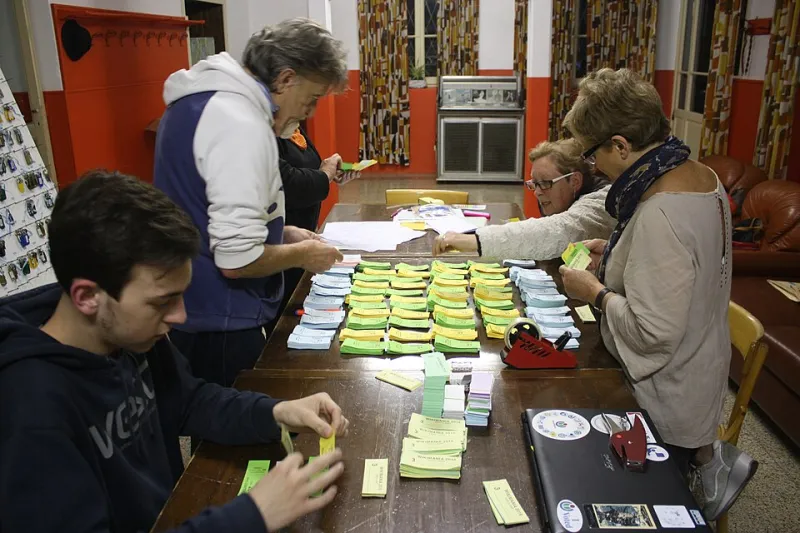
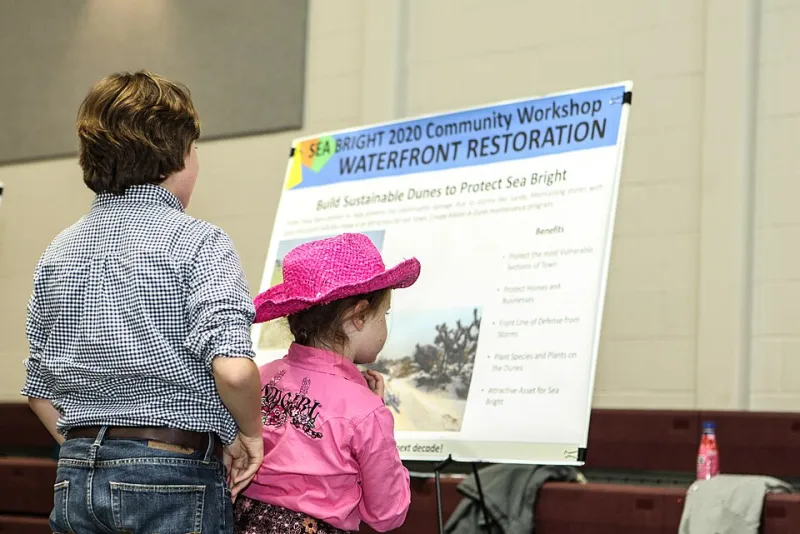
There is a particular kind of community meeting that feels good in the moment and changes nothing afterward. Residents gather in a library basement. Sticky notes cover the wall. A facilitator says, 'We heard you.' Everyone leaves with a granola bar and a vague sense that democracy happened. Three months later, nobody can say what the input changed.
That is performative listening. It is not a communication problem. It is a trust problem. People do not show up to public input sessions because they are bored. They show up because they hope their time matters. If it does not, they learn not to come back.
Listening is not a performance
A listening session is not a stage for officials to look responsive. It is a transaction: residents give time, knowledge, and sometimes painful personal experience. The organization owes them clarity about what is being decided, who decides it, and what will happen next. Without that, the session is just theater with folding chairs.
Performative listening has telltale signs. The decision is already made. The meeting is scheduled at an inconvenient time for the people most affected. There is no childcare, no food, no stipend, and no accessible route. The microphone stays with the people who always talk. And the follow-up is a PDF posted to a website nobody visits.
A framework: pay, place, power, proof
The groups that do this well tend to follow four practices, even if they do not call them by these names. Think of them as the four P's of trustworthy community input.
Pay
People's time is not free. If you are asking residents to spend two hours helping you plan a park, a budget, or a housing policy, budget for compensation. That can mean $50 stipends, gift cards, transit passes, childcare, or a meal. It does not have to be elaborate. It does have to be real. A rural county in New Mexico that held sessions on a broadband plan offered gas cards and on-site childcare. Attendance rose, and more importantly, the comments came from people who usually cannot afford to give up an evening.
Place
Accessible locations are not just about wheelchair ramps, though those matter. They are about trust. A city building can feel official and intimidating. A grocery store meeting room, a church hall, a library, or a school cafeteria can feel like part of the neighborhood. Hold multiple sessions at different times. Go where people already are. Offer a virtual option only if you can run it well and do not treat it as a substitute for showing up in person.
Power
Be honest about what is on the table. If the budget is fixed, say so. If the council has already chosen the site, say so. If residents can influence design but not the decision to build, say that clearly. People can handle limits. They cannot handle being invited into a fake choice.
One Michigan city learned this the hard way during a water infrastructure planning process. The first listening session asked residents what they wanted to see in a plan that was already 80 percent finalized. The room got angry, and rightly so. The second round shared three draft options and asked residents to rank trade-offs and name missing concerns. That session was not perfect, but people trusted it more because the choices were real.
Proof
This is the step most groups skip. Within two weeks, publish a plain-language summary of what you heard. Within thirty days, explain which ideas are moving forward, which are not, and why. Within ninety days, give an update. Put it on a simple webpage, mail it to attendees, and post it where the meeting happened.
A neighborhood group in Texas uses what it calls a 'you said, we did' board at every follow-up event. It lists resident comments on one side and specific responses on the other. Some responses are no. Some are not yet. The board works because it shows the loop is real.
How to run the session itself
Before the meeting, define the decision. If you cannot finish this sentence, do not hold the session yet: 'After this input, we will decide blank by blank date.' Then map who is affected and who usually gets left out. Partner with a trusted local group to invite people. Budget for compensation. Pick an accessible venue. Train facilitators to manage dominant talkers without humiliating anyone.
During the meeting, start with context. Explain the decision, the timeline, and the limits. Use small-group conversations rather than an open microphone free-for-all. Have note-takers capture comments visibly, and ask permission before attributing quotes. Offer multiple ways to participate: speaking, writing, drawing, or one-on-one conversation. End by telling people exactly when they will hear back.
After the meeting, do the unglamorous work. Compile the notes. Look for patterns and outliers. Share a draft summary with a few attendees before finalizing it. Then close the loop publicly, even when the answer is disappointing. That is what separates listening from marketing.
The standard worth meeting
Before you schedule another listening tour, ask a simple question: would you want to attend this session if you were not paid to be there? If the answer is no, fix the design. Make it useful, accessible, compensated, and connected to a real decision. Then prove that you listened by showing people what happened next.
Communities do not need more sticky notes. They need follow-through. Listening is not a performance. It is a promise, and promises are kept in public.